


Adoption is a life-changing process that offers a loving family to a child who needs care and protection. In India, adoption laws are comprehensive, ensuring that the rights of both the adoptive parents and the child are safeguarded. This blog explores the adoption process, eligibility criteria, and the legal rights of adoptive parents and children, providing insights for anyone considering adoption. For personalized legal guidance, consulting a Child Adoption lawyer is crucial to navigate the complexities of the system.
Legal Framework for Adoption in India
India’s adoption process is primarily governed by two major laws:
- Juvenile Justice (Care and Protection of Children) Act, 2015: A secular law permitting adoption across all religions and handling inter-country adoptions.
- Hindu Adoption and Maintenance Act (HAMA), 1956: Applicable to Hindus, Buddhists, Jains, and Sikhs, regulating the adoption of children within these communities.
Additionally, the Adoption Regulations, 2021 were introduced to streamline the adoption process, under the supervision of the Central Adoption Resource Agency (CARA), ensuring uniformity and efficiency.
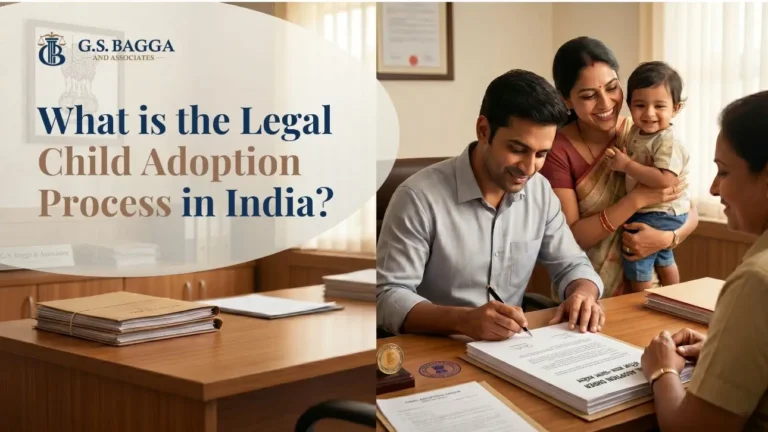
Adoption Process in India
- Eligibility of Prospective Adoptive Parents: The Juvenile Justice Act outlines specific eligibility criteria for prospective adoptive parents, including Indian residents, Non-Resident Indians (NRIs), and Overseas Citizens of India (OCI). Both married couples and single parents can adopt, though there are restrictions, such as a single male can only adopt a male child. Prospective adoptive parents must meet age and health criteria, ensuring they are physically, mentally, emotionally, and financially capable of raising a child.
- Registration and Home Study: Prospective adoptive parents need to register on the designated CARA portal. Following registration, a Home Study Report is prepared by the District Child Protection Unit or authorized foreign agencies (for inter-country adoptions), assessing the family environment and the suitability of the prospective parents.
- Matching and Placement: Based on the Home Study Report, CARA provides profiles of children available for adoption. Prospective parents may then proceed to meet the child. Once the child is selected, the prospective parents can take temporary custody through pre-adoption foster care, pending the finalization of the adoption process.
- Adoption Order: The adoption order is issued by the District Magistrate, which legally establishes the relationship between the child and the adoptive parents. For international adoptions, the Hague Adoption Convention mandates the issuance of necessary certifications for the process to be recognized in the adoptive parent’s home country.
Inter-Country Adoption
Inter-country adoptions are allowed under both the Juvenile Justice Act and HAMA. For NRIs, OCI cardholders, and foreigners, the process is governed by CARA in accordance with the Hague Adoption Convention, ensuring legal recognition in both India and the receiving country. Prospective adoptive parents residing abroad must undergo a home study by authorized foreign agencies, and all inter-country adoptions must receive a No Objection Certificate (NOC) from CARA.
Legal Rights and Responsibilities
The adoption process is designed to secure the rights of the child and adoptive parents:
- Child’s Rights: The adopted child is granted the same rights as a biological child, including inheritance rights. The Child Adoption lawyer plays a vital role in ensuring the child’s best interests are upheld throughout the process.
- Parents’ Rights: Adoptive parents hold full parental rights and responsibilities once the adoption order is issued. This includes legal guardianship, custody, and the ability to make decisions in the best interest of the child.
Adoption from Relatives
The Juvenile Justice Act allows for adoption by relatives, cutting across religious lines. In such cases, prospective adoptive parents must still register and fulfill the necessary procedural requirements, though some eligibility criteria may be waived, especially regarding the age of the prospective parents.
Challenges in the Adoption Process
While the adoption process in India has been streamlined through CARA and the 2022 regulations, delays still pose significant challenges. The lengthy verification processes, especially for inter-country adoptions, can be taxing on families. Courts have recognized this issue, urging authorities to speed up the process. In cases where delays are unjustified, adoptive parents can seek judicial intervention, with the help of a Child Adoption lawyer, to expedite the process.
Conclusion
Adoption is an invaluable act of providing a loving home to a child in need. However, it is a complex legal process that requires careful navigation through the law. A Child Adoption lawyer can provide essential guidance, ensuring that the rights of both the child and the adoptive parents are protected. With proper legal assistance, the adoption process can lead to a fulfilling journey for both the child and the parents.
For further assistance or legal advice on adoption in India, consult a qualified Child Adoption lawyer to make the process smoother and more transparent